Is unearned revenue a liability or an asset?
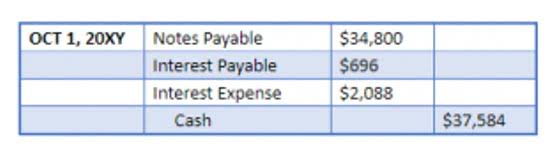
When the company will deliver goods to the buyer on January 15, 2022, it will eliminate the liability and recognize a revenue in its accounting records on that date. At this point, you may be wondering how to calculate unearned revenue correctly. When a customer prepays for a service, your business will need to adjust its unearned revenue balance sheet and journal entries. Your business will need to credit one account and debit another account with the correct amounts using the double-entry accounting method.
What is the accounting entry for unearned revenue?
- In either case, the company would repay the customer, unless other payment terms were explicitly stated in a signed contract.
- The payment is considered a liability because there is still the possibility that the good or service may not be delivered or the buyer might cancel the order.
- Discover how businesses like yours are using Baremetrics to drive growth and success.
- Unearned revenues are common in modern business, with almost all established companies taking advances for future sales.
- If you have earned revenue but a client has not yet paid their bill, then you report your earned revenue in the accounts receivable journal, which is an asset.
- We are simply separating the earned part from the unearned portion.
Proper handling of unearned revenue according to these principles ensures that your company’s financial health is not misleadingly represented as overly optimistic or unduly conservative. Deferred revenue is classified as a liability because the recipient has not yet earned the cash they received. The company must satisfy its debt to the customer before recognizing revenue. Due to its short-term nature, deferred revenue is often expected to satisfy within the next year. Unearned revenue remains a liability until a product or service has been rendered. If the product or service is delivered incrementally instead of all at once, then revenue should be recognized equal to the amount of goods being exchanged.

Essential Accounting Software for Growing SaaS Businesses
Revenue is recorded when it is earned and not when the cash is received. If you have earned revenue but a client has not yet paid their bill, then you report your earned revenue in the accounts receivable journal, which is an asset. Unearned revenue, sometimes called deferred revenue, is when you receive payment now for services that you will provide at some point in the future. You need to adjust unearned revenue once it’s been earned; that is when your business has supplied the promised goods or services.
What Are Some Common Examples of Current Liabilities?

Unearned revenue appears as a liability on a company’s balance sheet. It represents the company’s is unearned revenue a current liability obligation to provide goods or services, which have been prepaid by customers. As the company delivers those goods or services, the liability decreases, and the revenue is reported on the income statement. For example, assume that a landscaping company provides servicesto clients.
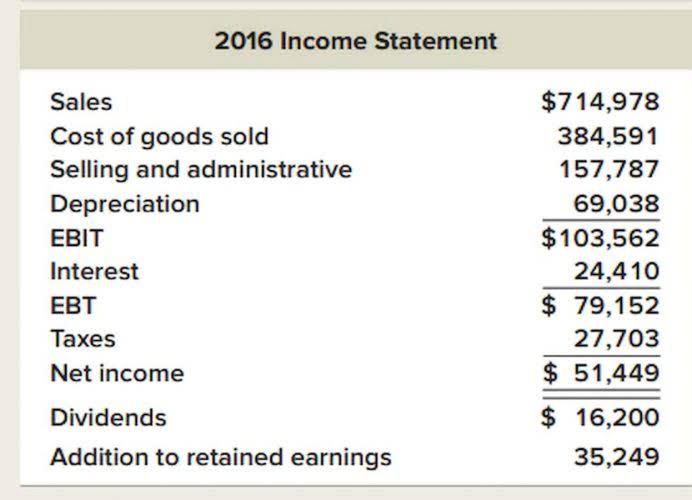
Both the current and quick ratios help with the analysis of a company’s financial solvency and management of its current liabilities. Accrued expenses are listed in the current liabilities section of the balance sheet because they represent short-term financial obligations. Companies typically will use their short-term assets or current assets such as cash to pay them.

However, companies still need to record the cash received from their customers to reflect a true and fair position on their financial statements. Until the company makes the sale, the amount paid by the customer is an obligation that will result in a future economic outflow. As mentioned, accounting standards do https://www.bookstime.com/articles/construction-in-progress-accounting not allow companies to record unearned revenues as income. It is because, to recognize revenues, companies must meet two requirements.

Professional services
- The statement of cash flows shows what money is flowing into or out of the company.
- The $3,500 is recognized in Interest Payable (a credit) andInterest Expense (a debit).
- Cash is what your business uses to offset its expenses and helps you out during slow seasons.
- You’ll see an example of the two journal entries your business will need to create below when recording unearned revenue.
Access a wealth of resources designed to help you master your business metrics and growth strategies. Understanding why customers leave, using data and insights, is the first step to retaining them. Manage complex financials, inventory, payroll and more in one secure platform.
Unearned revenue does not initially appear on a company’s income statement. As the company fulfills its obligation to https://www.instagram.com/bookstime_inc provide the goods or services, the unearned revenue liability is decreased, and the revenue is recognized on the income statement. Unearned revenue plays a crucial role in accrual accounting, as it represents cash received from customers for services or products that have not yet been delivered.